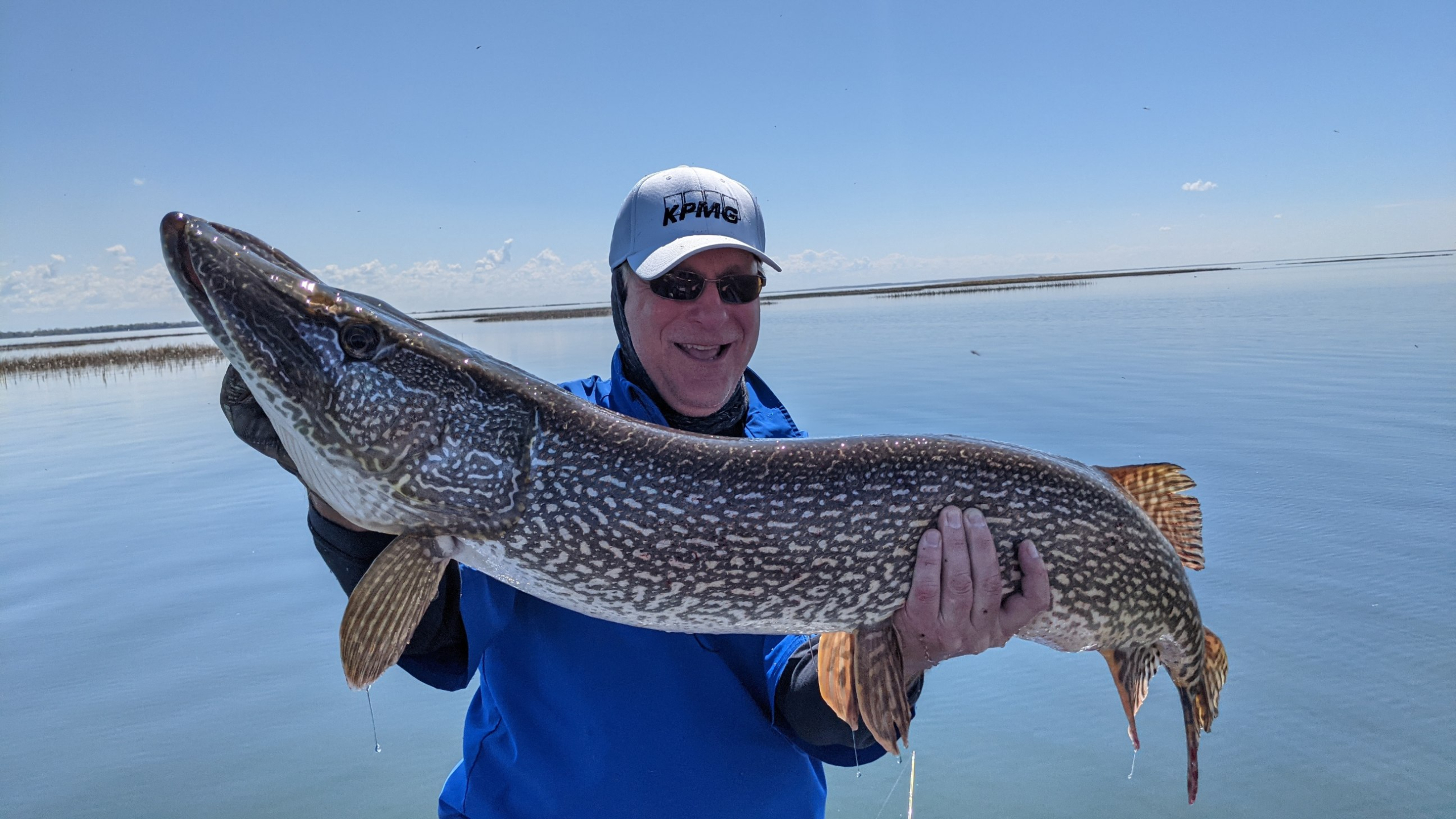
Early spring in southern Alberta is one of the best—and most overlooked—times to target northern pike. As the ice recedes and water temperatures begin to climb, pike move into shallow, accessible areas and feed aggressively after a long winter. If you understand where they go and how they behave in this short window, you can have some of the most productive fishing days of the year around Calgary and the surrounding region.
Understanding Early Spring Pike Behavior
Northern pike spawn immediately after ice-out, often when water temperatures are just a few degrees above freezing. In southern Alberta, that usually means late March through April, depending on the year and the body of water.
Before and after spawning, pike concentrate in:
· Shallow bays
· Flooded vegetation
· Slow-moving backwaters
· Areas with dark bottoms that warm quickly
These zones heat up faster than the main lake or river, attracting baitfish—and hungry pike right behind them.
Post-spawn pike are especially aggressive. They’ve burned energy during spawning and are looking to recover quickly, making them more willing to strike larger or slower-moving presentations.
Best Locations Around Calgary & Southern Alberta
Focus on waters that warm quickly and have good shallow habitat. Some reliable types of spots include:
· Small lakes and ponds (they warm faster than big reservoirs)
· Irrigation reservoirs in southern Alberta
· Backwaters along rivers like the Bow or Oldman
· Weedy bays in larger lakes
Look for water less than 10 feet deep, especially if there’s emerging vegetation or last year’s weed growth still present.
Timing Matters
Midday is your friend in early spring. Unlike summer, when dawn and dusk dominate, spring pike often feed best when the sun has had time to warm the water.
· Late morning to mid-afternoon tends to produce best
· Sunny days are significantly better than cold, windy ones
· Even a 1–2°C increase in water temperature can trigger activity
Lure Selection and Presentation
Cold water means slower metabolism—but that doesn’t mean pike won’t hit hard. The key is slowing things down and keeping your lure in the strike zone longer.
Top lure choices:
· Suspending jerkbaits
Work them with long pauses. Pike often strike when the lure is sitting still.
· Spinnerbaits
Great for covering shallow water and avoiding snags in weeds.
· Soft plastic swimbaits
Retrieve slowly and steadily, close to bottom or just above vegetation.
· Spoons
A classic for a reason—use a slow, wobbling retrieve.
· Dead bait (where legal)
Under a float in shallow bays can be extremely effective early season.
Retrieval Tips
· Slow down more than you think you should
· Add pauses—especially with jerkbaits
· Keep your lure in shallow water as long as possible
· Fan cast to cover water systematically
If you’re getting follows but no strikes, try changing speed or adding longer pauses rather than switching lures immediately.
Gear Setup
Pike are powerful and toothy, so use appropriate gear:
· Medium-heavy to heavy rod
· Braided line (20–40 lb)
· Steel or heavy fluorocarbon leader
Leaders are essential—pike will cut through regular line easily.
Weather and Conditions
Early spring conditions in Alberta can change quickly. A few key things to watch:
· Warm fronts: Trigger feeding activity
· Cold snaps: Can slow things down dramatically
· Wind: Light wind can push baitfish into bays, improving fishing
· Water clarity: Slightly stained water is often ideal
Safety and Access
Early season comes with hazards:
· Ice may still be present in some areas—avoid unstable edges
· Shorelines can be muddy and slippery
· Water is extremely cold—wear appropriate gear and consider a flotation device
Also, always check Alberta fishing regulations. Some waters have seasonal closures or restrictions during spawning.
Final Thoughts
Early spring pike fishing in southern Alberta rewards anglers who think shallow, fish slow, and time their outings around warming conditions. You don’t need complicated tactics—just a good understanding of where pike are and how they behave in cold water.
If you hit the right bay on the right afternoon, you might find yourself catching more pike in a few hours than you would in days during the summer.